How to Choose the Best Cat Tree for Indoor Cats
A complete guide to size, height, stability, materials, and placement.
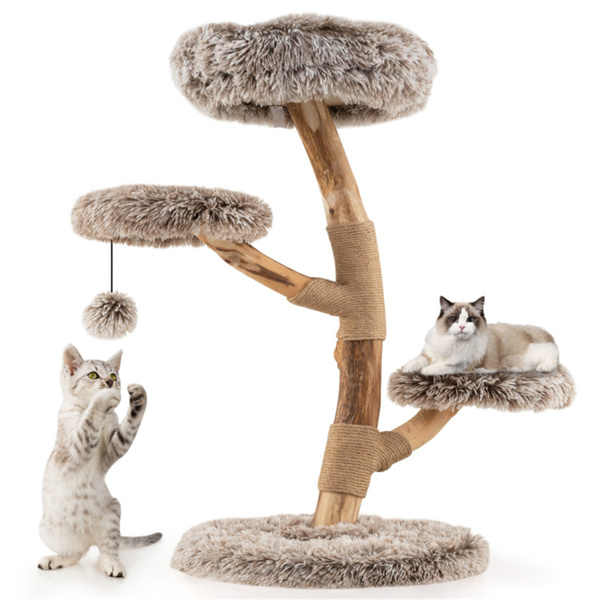
Indoor cats thrive when they have vertical space to climb, perch, and observe. The best cat tree isn’t just “cute”—it’s a practical piece of indoor cat furniture that supports daily enrichment, reduces boredom, and encourages healthy scratching. When chosen correctly, a modern cat tree becomes part of your home’s design while giving your cat a dedicated place to rest, play, and feel secure.
In this guide, you’ll learn exactly how to choose the right cat tree for indoor cats based on size, height, stability, materials, and scratching surfaces—plus where to place it for the best results. If you’re ready to shop while you read, explore our curated collection of cat trees and scratching posts for indoor cats.
In This Guide
• Why indoor cats need a cat tree
• Healthy scratching and claw care
• Boredom and behavior problems
• How to choose the best cat tree
• Matching the tree to your cat’s size
“Tip: A well-placed cat tree can instantly create a calm ‘cat zone’ in any room.”
Why Indoor Cats Need a Cat Tree
Indoor cats rely on vertical territory to feel secure, stimulated, and confident in their environment. Unlike outdoor cats who naturally climb trees and explore elevated spaces, indoor cats depend on well-designed cat trees and scratching posts to meet those same instinctual needs.
A thoughtfully chosen cat tree does more than add a decorative piece to your home — it supports physical health, emotional balance, and natural behaviors.
Supports Natural Climbing Instincts
Cats are natural climbers. Elevated perches allow them to observe their surroundings from a safe vantage point. High platforms reduce stress in multi-pet households and give shy cats a retreat area when needed.
For households with multiple cats, vertical space is often more important than floor space.
Encourages Healthy Scratching
Scratching is essential for:
- Maintaining claw health
- Stretching shoulder and back muscles
- Marking territory through scent glands
A quality indoor cat tree with durable sisal scratching posts protects your furniture while giving your cat an appropriate outlet for this behavior.
If you're exploring options, browse our collection of cat trees and scratching posts for indoor cats to see different configurations and heights.
Reduces Boredom and Behavioral Issues
Indoor cats without stimulation may:
- Scratch furniture
- Overgroom
- Become anxious
- Exhibit nighttime hyperactivity
A multi-level cat tree with platforms, hideaways, and hanging toys provides enrichment that mimics natural hunting and climbing behavior.
Even compact cat trees can significantly improve daily stimulation in smaller homes or apartments.
How to Choose the Best Cat Tree for Indoor Cats
Choosing the best cat tree for indoor cats depends on your cat’s size, activity level, personality, and your available space. Below are the most important factors to consider before making a decision.
Choose the Right Height
Indoor cats crave vertical territory. If your ceiling height allows, a tall cat tree (60–72 inches) provides better climbing opportunities and a stronger sense of security.
For small apartments, a compact cat tree can still provide enrichment without overwhelming your space.
Prioritize Stability and Base Support
A sturdy cat tree should not wobble when your cat jumps or climbs. Look for:
• A wide, weighted base
• Thick support posts
• Secure platform attachment
This is especially important for large indoor cats or multi-cat households.
Match the Tree to Your Cat’s Size and Weight
Not all cat trees are built for the same size cat.
Large breeds (like Maine Coons) need:
• Wider perches
• Reinforced posts
• Higher weight capacity
Kittens and smaller cats can use lighter, compact structures.
Look for Durable Scratching Materials
Sisal rope is the most durable and natural scratching surface. It encourages healthy claw maintenance and lasts longer than carpet-wrapped posts.
Avoid thin or loosely wrapped materials that fray quickly.
Consider Placement Before Buying
Where you place the cat tree matters as much as the tree itself.
Near a window:
• Adds natural stimulation
• Encourages climbing
• Creates a calming “cat zone”
In multi-cat homes, position it in a shared but low-traffic area to reduce territorial stress.
Expert Tip: Placement Matters
Place your cat tree near a window. Indoor cats love vertical window views — it combines height, sunlight, and environmental stimulation.