What Size Cat Tree Does My Cat Need? (Complete Guide)
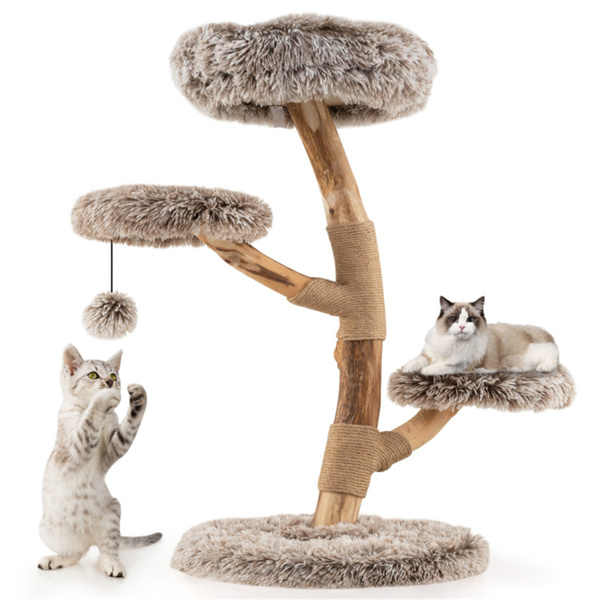
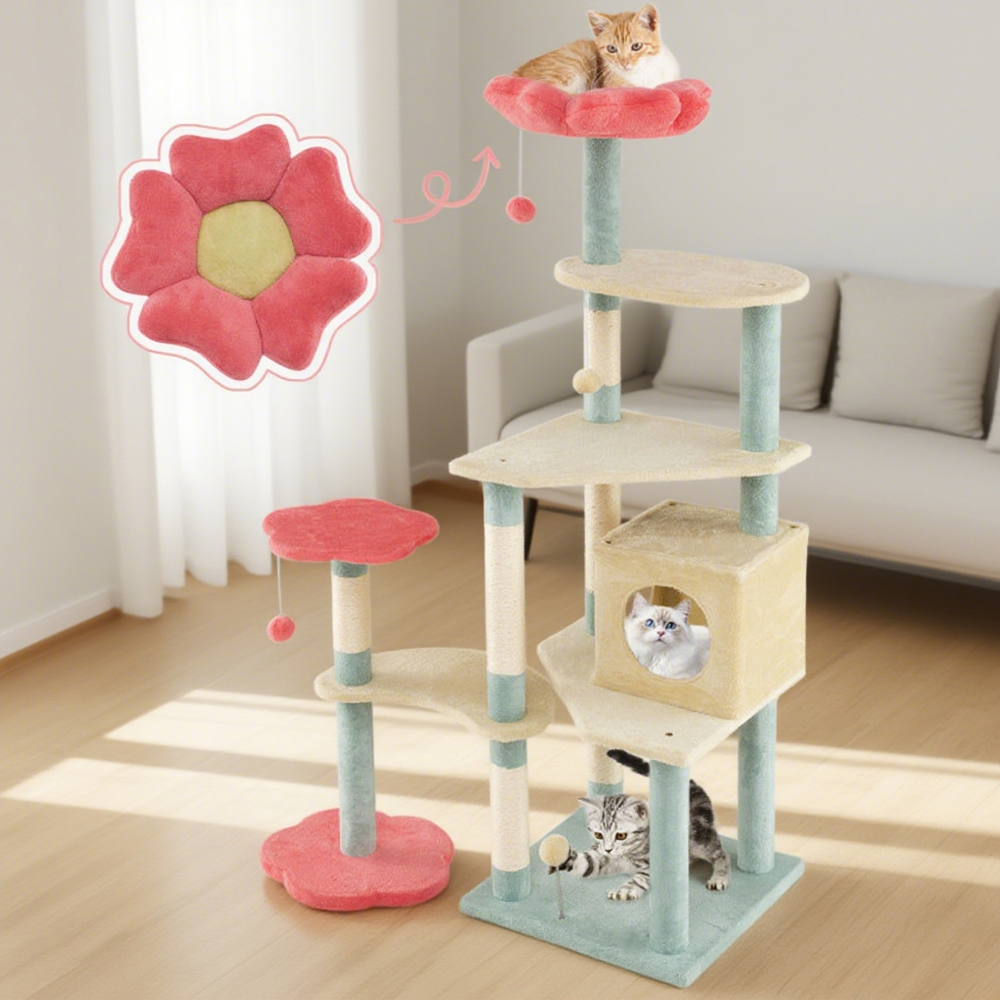
Choosing the right size cat tree is one of the most important decisions you’ll make for your cat’s comfort, safety, and behavior when selecting indoor climbing furniture. Many cat owners focus on color or style, but cats care far more about height, stability, and platform space. The correct cat tree size depends on your cat’s age, weight, activity level, and the layout of your home. In this guide, we’ll explain exactly how tall a cat tree should be, how large the platforms need to be, and how to pick the right option whether you have a kitten, an adult indoor cat, or a multi-cat household.
This guide is part of our complete cat tree buying resource to help indoor cats climb, scratch, and rest comfortably at home.
In This Guide
• Why size matters more than style
• Cat tree height guide (small to extra tall)
• Apartment vs. house layout considerations
• Kitten vs. adult vs. senior sizing
• Quick cat tree sizing checklist
Why Size Matters More Than Style
A cat tree is not just furniture — it provides vertical territory for indoor cats.
Cats instinctively seek height for three reasons:
• security
• observation
• control of territory
A tree that is too short may be ignored.
A tree that is too small may feel unstable.
A tree with platforms that are too tight won’t be used for real resting.
The right size cat tree allows your cat to:
• stretch fully while scratching
• perch comfortably without hanging off the edge
• jump safely between levels
• feel secure in elevated spaces
While style may matter to you, usable height and surface area matter to your cat.
Cat Tree Height Guide
Height is the first decision most cat owners should make.
Here’s a practical breakdown:
Small Trees (2–3 ft)
Best for:
• Kittens
• Senior cats
• Very small apartments
• Supplemental scratching posts
Medium Trees (3–5 ft)
Best for:
• Most adult indoor cats
• Single-cat homes
• Moderate climbers
Tall Trees (5–6 ft)
Best for:
• Active cats
• Cats that already climb furniture
• Window placement
• Homes with open space
Extra Tall Trees (6+ ft)
Best for:
• Multi-cat households
• High-energy breeds
• Cats that crave vertical territory
• Homes where the tree becomes a focal point
If your cat already jumps onto counters, bookcases, or curtain rods — they will likely benefit from a taller tree.
How Big Should Platforms Be?
This is one of the most overlooked factors.
Cats don’t just need height — they need landing space.
A proper platform should:
• Allow your cat to fully loaf without paws hanging off
• Be wide enough to turn around comfortably
• Support stretching and repositioning
• Provide stability during jumps
For average adult cats (8–12 lbs), platforms should ideally be at least 12–16 inches wide.
For larger cats (Maine Coons, Ragdolls, or 15+ lb cats), look for:
• 16–20 inch platforms
• Reinforced support posts
• Larger perches or hammock-style beds
If a platform looks small in photos, it will feel even smaller to your cat.
Weight Capacity & Stability
A wobbly cat tree is rarely used long-term.
Even if your cat tolerates minor movement, instability:
• Reduces confidence
• Increases fall risk
• Causes long-term avoidance
Look for:
• Thick support posts
• Wide base foundations
• Solid wood or reinforced engineered wood
• Wall anchors for taller trees
Heavier cats require stronger construction — not just taller height.
If your cat weighs 15+ lbs, always check stated weight capacity and avoid thin, lightweight frames.
Many cat owners think their cat won’t care about wobbling, but in practice cats quickly stop using unstable trees and return to couches, beds, or shelves where they feel secure.
Small Apartment vs. House Layout
Your home layout matters just as much as your cat’s size.
In small apartments:
• Use vertical height to maximize space
• Place trees near windows
• Choose corner-friendly designs
In larger homes:
• Use trees to define territory
• Place near common gathering spaces
• Consider multiple trees for multi-cat homes
If you're unsure where placement matters most, see our guide explaining where to place a cat tree in your home for behavior-based positioning tips.
Kitten vs. Adult vs. Senior Cats
Age changes size needs.
Kittens
• Lower height is safer
• Narrower platforms are acceptable
• Shorter jump distances are important
Adult Cats
• Benefit from taller trees
• Need full-body stretching space
• Prefer stable, wide platforms
Senior Cats
• Lower jumps
• Wider steps
• Ramps or staggered platforms
• Extra stability
Senior cats often still crave height — they just need safer access to it.
How to Choose the Right Cat Tree (Quick Checklist)
Before purchasing, ask yourself:
• How many cats will use it?
• What is the largest cat’s weight?
• Does my cat already climb furniture?
• Do I have vertical space available?
• Does my cat prefer sleeping high or hiding low?
• Will this tree be near a window or wall?
If you answer those honestly, the correct size becomes clear.
🐾 Expert Tip from Tails & Whiskers Co.
If you’re between two sizes, choose the larger cat tree. Cats naturally prefer the highest safe resting place available, and many owners are surprised how quickly their cat outgrows a smaller tree. A properly sized tree often becomes your cat’s main sleeping spot, daily scratching area, and observation perch. Buying slightly larger the first time usually prevents replacement within a few months — and leads to much more consistent use.
If you're ready to explore options, you can explore our complete cat trees and scratchers collection to see examples of stable designs, proper platform sizes, and layouts discussed in this guide.
Do cats prefer tall cat trees?
Most indoor cats prefer the highest stable resting spot available. Taller cat trees give cats a place to observe their surroundings and feel safe, which is why many cats sleep on the top platform once comfortable.
Are bigger cat trees better for cats?
Bigger cat trees are usually better as long as they are stable. Larger trees provide more resting space, higher observation points, and allow cats to stretch fully while scratching, which matches their natural climbing behavior.
Can a cat tree be too tall?
A cat tree can be too tall if platforms are spaced too far apart or the structure is unstable. The best tall cat trees include staggered platforms or steps so cats can climb safely rather than jump excessive distances.