How Tall Should a Cat Tree Be? (Complete Height Guide for Indoor Cats)
Most indoor cats do best with a cat tree between 36–60 inches tall.
Kittens need 24–36 inches, while large or active cats benefit from 50–72+ inches.
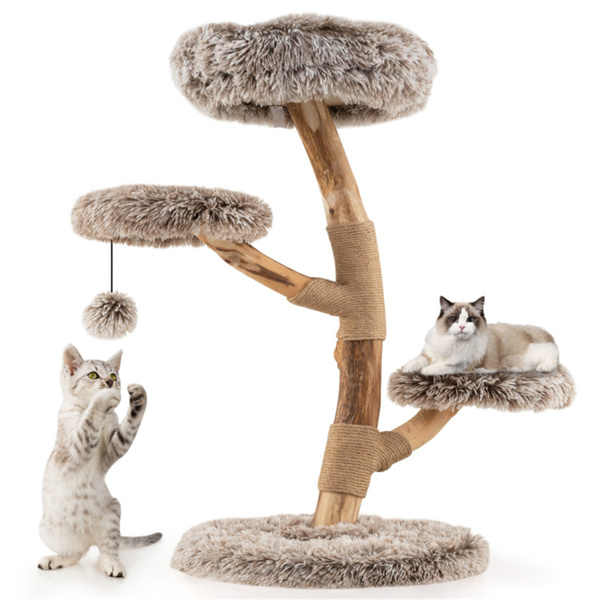
Indoor cats still have strong climbing instincts — and the right cat tree height plays a huge role in their comfort, safety, and activity levels. In the wild, cats seek elevated spaces to observe their surroundings, rest securely, and avoid perceived threats.
A properly sized cat tree helps recreate that natural environment inside your home — but choosing the wrong height is one of the most common mistakes cat owners make.
In this guide, you’ll learn exactly how tall your cat tree should be based on your cat’s age, size, and activity level — so you can choose a tree your cat will actually use every day.
What Is the Best Cat Tree Height? (Complete Indoor Cat Guide)
Choosing the right cat tree height depends on your cat’s size, age, and behavior. Some cats prefer lower, stable platforms, while others need tall cat trees to climb, perch, and observe their surroundings. In this guide, we’ll help you choose the perfect height for your indoor cat.
What You’ll Learn (Cat Tree Height Guide)
• Why cat tree height matters for indoor cats
• Best cat tree height for kittens, adults, and large cats
• How platform size affects comfort and safety
• Cat tree stability and weight capacity
• Choosing the right size for apartments vs homes
• Signs your cat tree is too small
• Quick checklist to choose the perfect cat tree
Looking for the perfect cat tree? Explore our curated picks designed for comfort, stability, and real-life cat behavior.
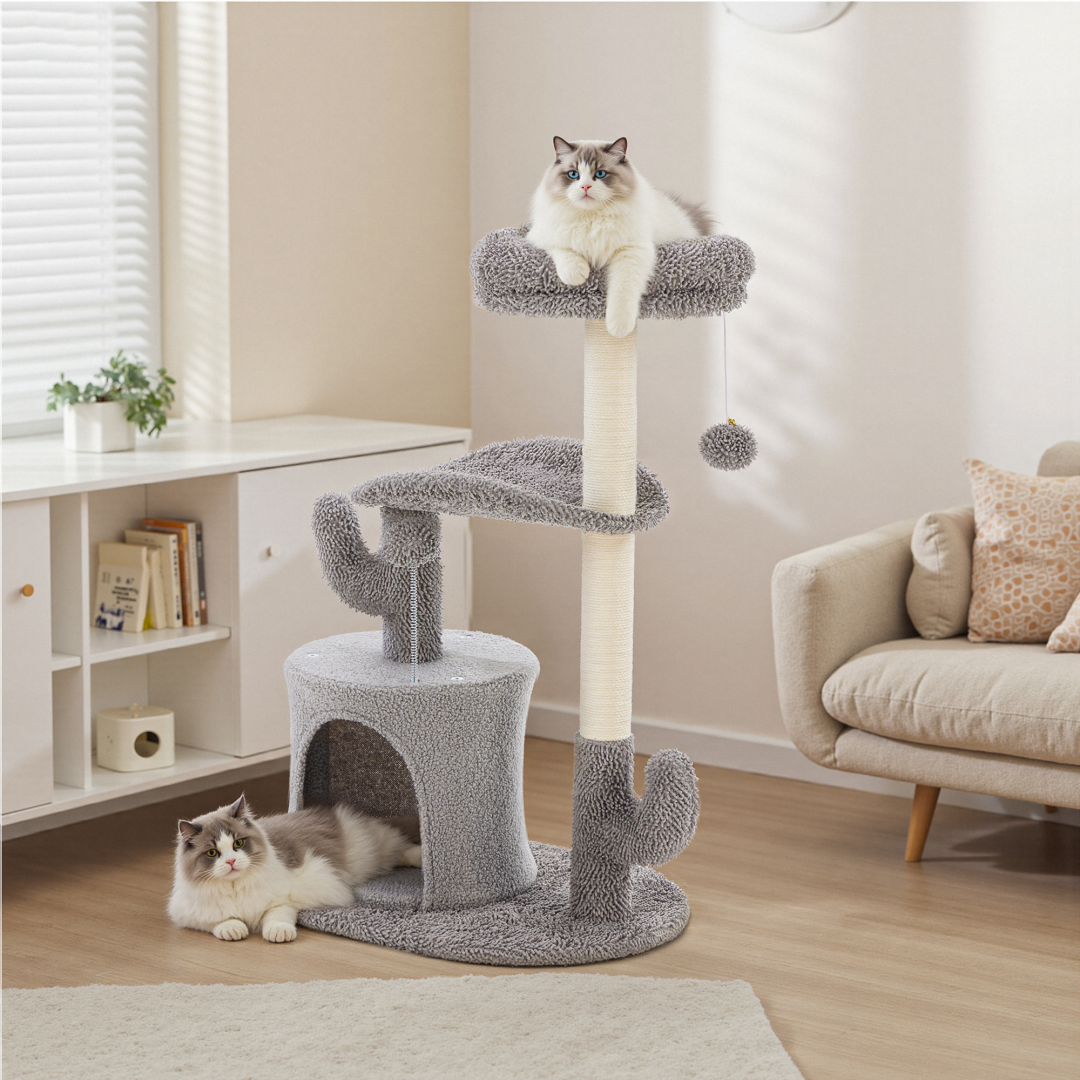
Why Cat Tree Height Matters for Indoor Cats
Choosing the right cat tree height isn’t just about looks — it directly impacts how often your cat will actually use it. Indoor cats naturally seek high vantage points because elevated spaces provide security, visibility, and a sense of control over their environment.
Cats prefer elevated spaces because they provide:
• Security from perceived threats
• A clear view of their surroundings
• A sense of control over territory
A properly sized cat tree helps your cat:
• Fully stretch while climbing and scratching
• Burn energy through vertical movement
• Claim territory in multi-cat homes
• Rest comfortably in elevated spaces
If your cat ignores their tree, the height is often the reason — most cats won’t use a tree that doesn’t give them enough vertical space.
Many cat owners focus on design — but height and usable space matter far more to your cat.
Best Cat Tree Height by Cat Type (Size Guide)
Recommended cat tree height by cat type:
• Kittens: 24–36 inches (2–3 ft)
• Adult cats: 48–72 inches (4–6 ft)
• Large cats: 60–84+ inches (5–7+ ft)
• Senior cats: 24–48 inches (2–4 ft) with easy access
Not every cat needs the same cat tree height. The ideal size depends on your cat’s age, size, and activity level — and choosing the right height makes a big difference in how often your cat will actually use it.
Kittens (Best Height: 24–36 inches)
Kittens need lower cat trees while they build coordination and confidence.
Look for:
• Shorter climbing distances
• Stable, compact platforms
• Safe spacing to prevent falls
Adult Cats (Best Height: 48–72 inches)
Most indoor cats benefit from medium to tall cat trees that allow full movement and vertical exploration.
This height allows cats to:
• Fully stretch while climbing
• Jump comfortably between levels
• Rest on elevated perches
A 5-foot cat tree is the ideal balance for most homes.
Large Cats (Best Height: 60–84+ inches)
Large breeds like Maine Coons and Ragdolls need taller, sturdier cat trees with more space.
Look for:
• Extra-wide platforms
• Reinforced scratching posts
• Strong, stable base construction
Senior Cats (Best Height: 24–48 inches)
Older cats still enjoy height, but accessibility becomes more important than size.
Choose trees with:
• Lower platforms
• Gradual climbing steps
• Soft, easy-access resting areas
Stability matters more than height for senior cats.
Not sure which size is right? See our complete cat tree size guide
How Platform Size Affects Cat Tree Comfort and Safety
Why platform size matters on a cat tree:
• Larger platforms allow full stretching and comfortable resting
• Small platforms can make cats feel unstable or unsafe
• Proper spacing helps prevent falls while climbing
• Bigger cats need wider, more supportive surfaces
Platform size plays a major role in how comfortable and safe a cat tree feels for your cat. Even if a cat tree is tall enough, small or narrow platforms can make it difficult for your cat to fully relax or move confidently.
Cats naturally want to stretch, turn, and settle into a comfortable position. If the platforms are too small, your cat may avoid using the tree altogether.
Why Platform Size Matters
Comfort
Cats need enough space to:
• Fully stretch their bodies
• Curl up comfortably for naps
• Adjust their position without slipping
If your cat looks cramped or hangs off the edge, the platform is too small.
Safety
Platform size also affects how safely your cat can climb.
Properly sized platforms help:
• Reduce the risk of slipping or falling
• Make jumping between levels easier
• Provide stable landing areas
Narrow or overcrowded platforms can make cats hesitant to climb.
Best Platform Size By Cat Type
• Kittens: Smaller platforms are fine, but spacing should be close together
• Adult cats: Medium to large platforms for movement and lounging
• Large cats (Maine Coons, Ragdolls): Extra-wide platforms are essential
Larger cats need more surface area for both safety and comfort.
A tall cat tree won’t be used if the platforms aren’t big enough — size and stability matter just as much as height.
Not sure which size is right? See our complete cat tree size guide
Cat Tree Stability and Weight Capacity (Safety Guide)
What makes a cat tree safe and stable:
• A wide, heavy base prevents tipping
• Strong posts support climbing and jumping
• Weight capacity should match your cat’s size
• Multi-cat homes require reinforced construction
A cat tree’s height doesn’t matter if it isn’t stable. Safety should always come first — especially for larger cats or multi-cat households.
A poorly built or lightweight cat tree can wobble, tip, or shift during use, which can make cats feel unsafe and avoid it altogether.
Why Stability Matters
Cats need to feel secure when climbing and jumping. Even slight movement can make them hesitant to use the tree.
A stable cat tree helps:
• Build confidence when climbing
• Prevent falls or injuries
• Encourage regular use
If a cat tree wobbles, most cats won’t trust it.
Understanding Weight Capacity
General guidelines:
• Kittens & small cats: Most standard cat trees are fine
• Adult cats: Look for sturdy construction and reinforced posts
• Large cats (Maine Coons, Ragdolls): Choose heavy-duty trees with higher weight limits
• Multi-cat homes: Always size up for combined weight
When in doubt, choose a cat tree with a higher weight capacity than you need.
Features of a Stable Cat Tree
Look for these key features:
• Wide, solid base for balance
• Thick support posts (especially for tall trees)
• Tight connections between levels
• Anti-tip or wall-anchor options for extra safety
A taller cat tree is only better if it’s stable — height without stability can actually make it unsafe.
For taller cat trees (6 feet and above), securing the unit to a wall can provide added safety — especially in homes with active or multiple cats.
Explore our recommended sturdy cat trees for large and active cats
Best Cat Tree Height for Different Homes & Spaces
Best cat tree setup based on your home:
• Small apartments: Tall, space-saving cat trees (5–6 ft)
• Multi-cat homes: Extra tall trees with multiple levels
• Near windows: Tall trees for viewing and stimulation
Your home layout plays a major role in choosing the right cat tree height. The best setup maximizes vertical space while fitting comfortably into your living area.
Small Apartments (Best: Tall, Space-Saving Trees)
In smaller homes, vertical space becomes essential.
A tall cat tree (5–6 feet) allows cats to:
• Climb without taking up floor space
• Rest in elevated areas
• Stay active in limited environments
Tall, narrow cat trees are ideal for apartments.
Multi-Cat Homes (Best: Extra Levels & Height)
In homes with multiple cats, vertical territory helps reduce stress and conflict.
Look for cat trees with:
• Multiple perches at different heights
• Wide platforms for sharing
• Strong, stable construction
More levels = fewer territorial issues.
Cat Trees Near Windows (Best Placement)
Placing a cat tree near a window dramatically increases how often your cat will use it.
Cats love watching:
• Birds and wildlife
• Outdoor movement
• Sunlight and warmth
A tall cat tree near a window creates the perfect enrichment zone.
Not sure where to place your cat tree? See our complete placement guide
The right placement can make your cat use their tree twice as much — even more than the height alone.
Tall vs Short Cat Trees: Which Is Better for Your Cat?
Tall vs short cat trees:
• Tall cat trees (4–6+ ft): Best for active cats and vertical space
• Short cat trees (2–4 ft): Best for seniors and easy access
Most indoor cats prefer mid-to-tall cat trees for climbing and comfort
Both tall and short cat trees can work — but the best choice depends on your cat’s age, activity level, and your home setup.
Tall Cat Trees (4–6+ Feet)
Best for:
• Energetic and playful cats
• Multi-cat households
• Apartments needing vertical space
Benefits:
• More climbing and exercise
• Multiple elevated resting spots
• Better use of vertical territory
Ideal for most indoor cats
Short Cat Trees (2–4 Feet)
Best for:
• Senior cats
• Cats with limited mobility
• Smaller living spaces
Benefits:
• Easier access
• Safer for jumping and climbing
• Comfortable low resting areas
So, Which Cat Tree Height Is Best?
For most indoor cats, a mid-to-tall cat tree (4–6 feet) is the best choice. It provides enough height for climbing, lounging, and observing without being too difficult to access.
If you’re unsure, always go taller — as long as it’s stable.
Signs Your Cat Tree Is Too Small (And What to Do)
Signs your cat tree is too small:
• Your cat ignores it completely
• Your cat prefers shelves, counters, or furniture
• Your cat climbs curtains or other tall objects
• Your cat can’t fully stretch while scratching
A taller cat tree often solves these problems by providing the vertical territory cats naturally crave.
If your cat isn’t using their cat tree, the problem is often the height. Cats naturally seek tall, elevated spaces — and a tree that’s too small simply won’t meet their needs.
Common signs your cat tree is too short:
• Your cat prefers higher surfaces like shelves or counters
• Your cat climbs curtains, doors, or furniture
• Your cat shows little to no interest in the tree
• Your cat cannot fully stretch while scratching
If your cat is choosing anything higher than their tree — that’s your biggest sign it’s too small.
A taller cat tree usually solves these issues by giving your cat the height, visibility, and vertical territory they naturally crave.
Upgrading height often makes the biggest difference in whether your cat actually uses their tree.
Looking for a better option? Explore our recommended tall cat trees
Quick Checklist: How to Choose the Right Cat Tree
How to choose the right cat tree:
• Pick the right height for your cat’s age and activity level
• Make sure platforms are large enough for comfort
• Choose a stable, sturdy base for safety
• Match the size to your home and available space
• Consider your cat’s behavior and climbing habits
Choosing the right cat tree doesn’t have to be complicated. Use this quick checklist to make sure you’re picking a tree your cat will actually love — and use every day.
Height
Choose a cat tree that matches your cat’s needs:
• Kittens & seniors: 2–4 feet
• Adult cats: 4–6 feet
• Large or active cats: 5–7+ feet
Platform Size
Make sure your cat can:
• Fully stretch
• Turn comfortably
• Rest without hanging off the edge
Bigger platforms = more comfort and confidence
Stability & Build Quality
Look for:
• Wide, heavy base
• Thick support posts
• Strong construction
If it wobbles, your cat won’t use it
Home Size & Layout
Choose a tree that fits your space:
• Small apartments → tall, narrow trees
• Larger homes → wider, multi-level trees
Vertical space matters more than floor space
Your Cat’s Behavior
Think about how your cat acts:
• Climbers → taller trees
• Loungers → larger platforms
• Seniors → lower, easy-access designs
If you’re unsure, choose a stable cat tree between 4 and 6 feet tall — it works for most indoor cats and homes.
Ready to find the perfect fit? Explore our curated cat trees designed for comfort, stability, and real-life cat behavior
Expert Tips from Tails & Whiskers Co.
At Tails & Whiskers Co., we believe indoor cats thrive in environments that support their natural climbing and resting instincts.
When choosing the right cat tree, always consider:
• Your cat’s age, size, and mobility
• The layout and available space in your home
• How many cats will be using the tree
For most indoor cats, a cat tree between 4 and 6 feet tall offers the best balance of height, stability, and everyday usability.
Providing vertical space helps reduce boredom, encourages exercise, and gives your cat a safe, elevated place to relax and observe their surroundings.
The right cat tree doesn’t just look good — it becomes your cat’s favorite place in your home.
More Cat Tree Guides for Indoor Cats
If you're researching the best cat tree for your home, these guides from Tails & Whiskers Co. may also help:
• How to Choose the Best Cat Tree for Indoor Cats
• What Size Cat Tree Does My Cat Need
• Where to Put a Cat Tree in Your Home
• Why Cats Need Vertical Space
These guides explain how vertical territory, placement, and sizing all work together to create a comfortable environment for indoor cats.